Our Roads
Safer highways and stronger freight corridors for all Riverina communities.
If Riverina Feeds the Country, Our Roads Should Reflect It
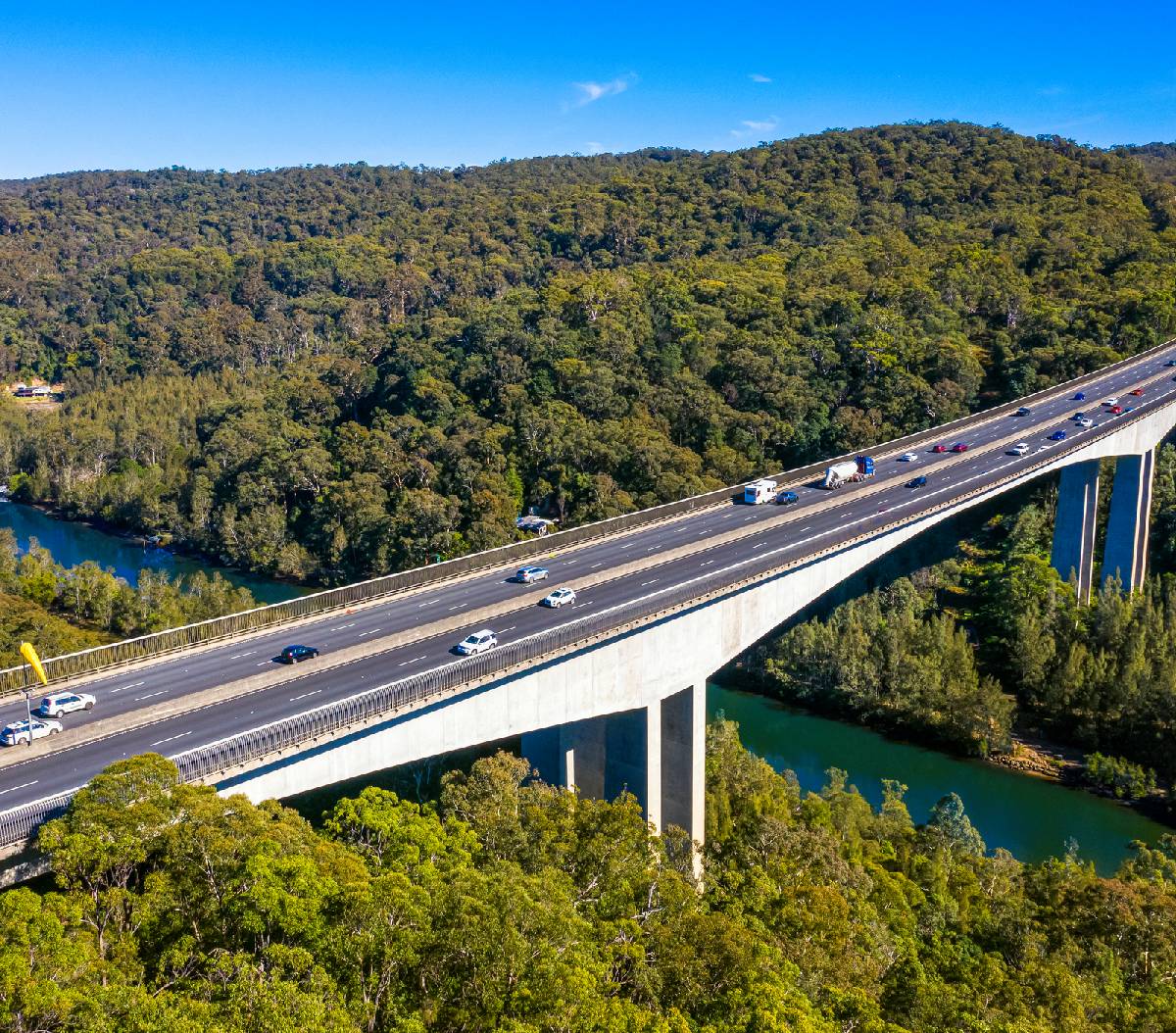
Riverina is not a place that asks for much. It asks for a fair go, a steady hand, and infrastructure that does what it’s supposed to do: keep people safe, keep goods moving, and keep the region connected to the rest of the country. Right now, too many of our roads don’t meet that basic standard. We’ve all seen it. The narrow highways. The freight routes that double as school bus roads. The bridges were built for a different era, carrying loads they were never designed to bear. We talk about productivity and national growth, but we forget something fundamental: none of it happens without regional Australia doing the work.
Safety First: A Realistic 10-Year Plan
Riverina feeds the country. It moves the exports. It carries the freight. And yet, year after year, it is asked to do more with infrastructure that is doing less. That’s why my roads, freight, and regional infrastructure plan starts with one principle above all others: safety first. This is a ten-year, costed, realistic plan—not a press release, not a wish list, and not patch-up politics. It is about making smart, long-term investments that save lives, strengthen the economy, and respect the role Riverina plays in Australia’s future.
Highway Safety Upgrades: $300–400 Million
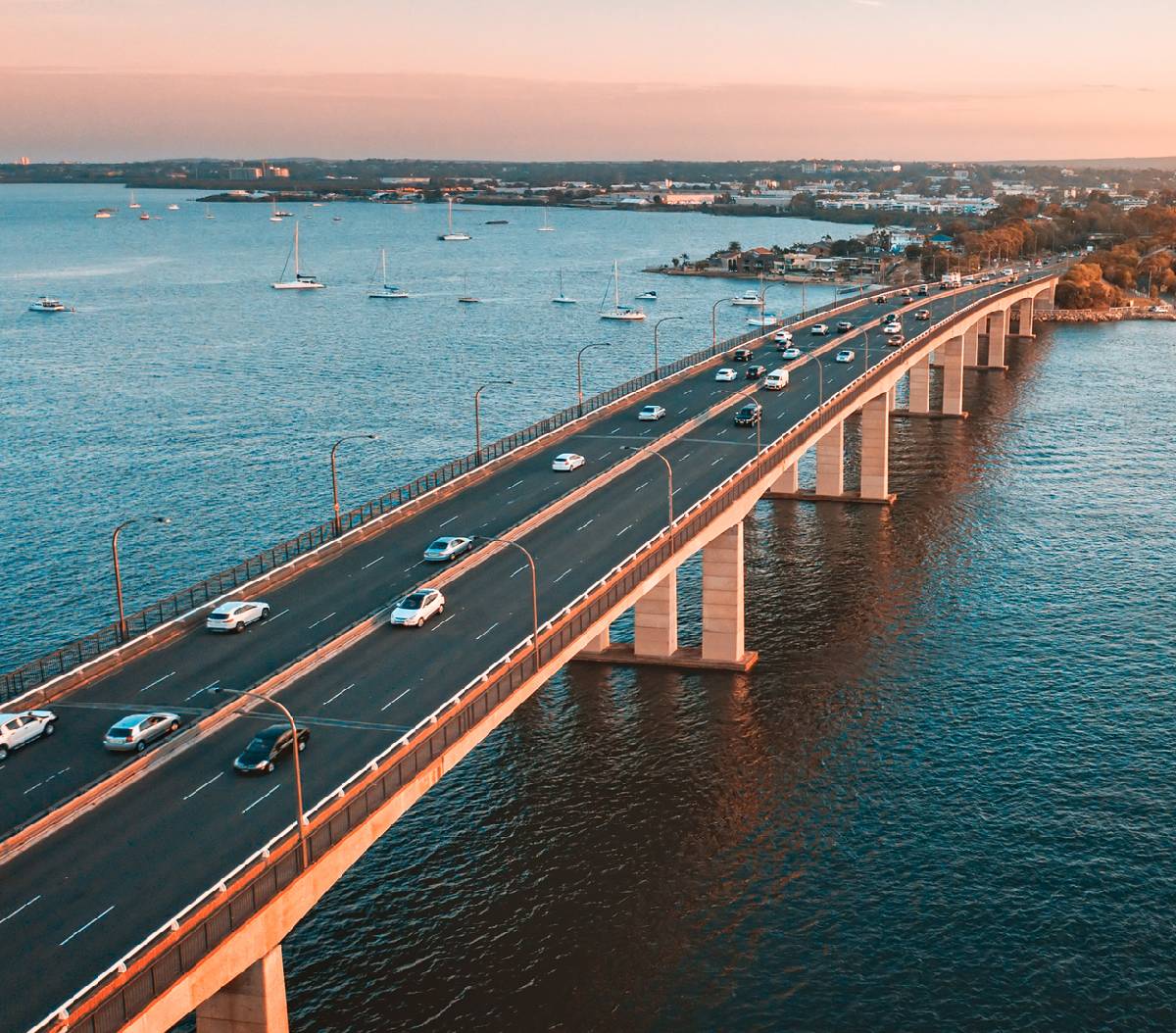
Sealing shoulders, fixing black spots, improving intersections, and making sure the roads families use every day are built for modern traffic, not the traffic of 30 or 40 years ago. When school buses, farmers, tourists, and B-doubles all share the same stretch of road, safety isn’t optional—it’s essential.
Regional Freight Roads: $200–300 Million
Freight efficiency is not just an economic issue; it’s a safety issue. When trucks are forced onto unsuitable routes, everyone pays the price. This investment focuses on strengthening key freight corridors, reducing congestion in town centres, and making sure agricultural producers can get goods to market efficiently and reliably.
Rail Siding & Intermodal Upgrades: $150–250 Million
If we’re serious about taking pressure off roads, we have to give freight real alternatives. That means upgrading rail sidings, improving intermodal hubs, and making it easier for producers to move goods from paddock to port without unnecessary delays or costs. This is about using infrastructure smarter, not just building more of it.
Bridge Strengthening: $100–150 Million
Across Riverina, there are bridges that are weight-restricted, ageing, or simply no longer fit for purpose. When a bridge fails, an entire community feels it—longer routes, higher costs, slower emergency response. Strengthening these bridges is about resilience, safety, and keeping communities connected.
Funding & Shared Responsibility
Altogether, this is a $750 million to $1.1 billion investment over ten years, substantial but responsible and fully grounded in how infrastructure actually gets delivered:
- Around 60% from federal infrastructure programmes
- About 30% from state transport budgets
- Roughly 10% from private contributions, particularly logistics operators and agricultural exporters, who directly benefit from better networks
Shared Responsibility, Real Impact
This isn’t about shifting the burden onto local councils or expecting communities to carry costs they can’t afford. It’s about shared responsibility and national recognition of Riverina’s contribution to the country.

Why It Matters
Good infrastructure doesn’t just move freight. It saves time. It reduces accidents. It lowers costs. It gives regional kids safer roads to travel on and regional businesses a fair shot at competing. Most importantly, it sends a clear message: Riverina is not an afterthought.
Building for the Next Generation
This plan is about respect—for the people who live here, work here, and keep Australia running. It’s about building infrastructure that matches the scale of Riverina’s importance, not the size of its population, and doing the hard, practical work now so the next generation doesn’t inherit the same problems we’ve been patching over for decades. That’s the choice in front of us, and it’s one worth making.